
Throughout history, nations facing a larger and more powerful industrial adversary have sought ways to strike not only the forces on the front lines, but the systems that enable them to keep fighting. In World War II, American submarines against Japan and Allied bombers against Nazi Germany demonstrated the same principle: targeting energy and logistics can gradually paralyze even military superpowers.
Today, Ukraine may be presenting the modern version of that concept. Instead of a submarine fleet or thousands of strategic bombers, it is using relatively inexpensive drones and uncrewed systems to strike deep inside Russia and erode the industrial system sustaining its war effort.
Russia entered the war as one of the world's leading energy superpowers. Oil and gas revenues fund a significant portion of the state budget, and its vast logistical network supplies fuel to the military, industry, and civilian population. However, the Ukrainian campaign exploits a fundamental vulnerability: a natural resource only becomes power if it can be processed, transported, and utilized.
In recent months, Ukraine has significantly expanded its strikes against the Russian energy chain. Targets include refineries, storage facilities, export ports, tankers, and logistical infrastructure. According to an analysis by the Baker Institute, since the beginning of the invasion Ukraine has carried out hundreds of attacks on Russian energy infrastructure, with both the number and range of strikes increasing over the past year.
Refineries have become a primary target because they constitute a critical bottleneck. Russia can produce millions of barrels of oil, but crude oil does not power tanks, trucks, or aircraft. It must undergo refining to be transformed into diesel, gasoline, and jet fuel.
Among the facilities targeted are some of Russia's most vital refineries, including Omsk, NORSI, Yaroslavl, and Tuapse. Omsk, one of the country's largest refineries, is located about 2,500 kilometers from the Ukrainian border—a range previously reserved exclusively for strategic air forces. The facility is capable of processing tens of millions of tons of oil annually, and damage to critical units can disable parts of it for extended periods.
NORSI, with a processing capacity of about 320,000 barrels per day, and Tuapse on the Black Sea coast, have also become recurring targets. For Ukraine, the goal is not to cause Russia to "run out of oil"—an unrealistic scenario—but to disrupt the system that converts that oil into military and economic power.
The impacts are no longer confined to the battlefield. For most of the war, Moscow managed to maintain a separation between the fighting in Ukraine and life inside Russia. However, the damage to energy infrastructure has begun to create tangible problems on the home front as well: regional fuel shortages, price pressures, and reduced availability.
The implications of a diesel shortage are particularly broad. Diesel is used not only by private vehicles but also in trucking, agriculture, industry, and supply chains. While residential heating in most Russian cities relies primarily on natural gas and centralized systems and is therefore less directly affected, prolonged disruption to the fuel network drives up operating costs across vast sectors of the economy.
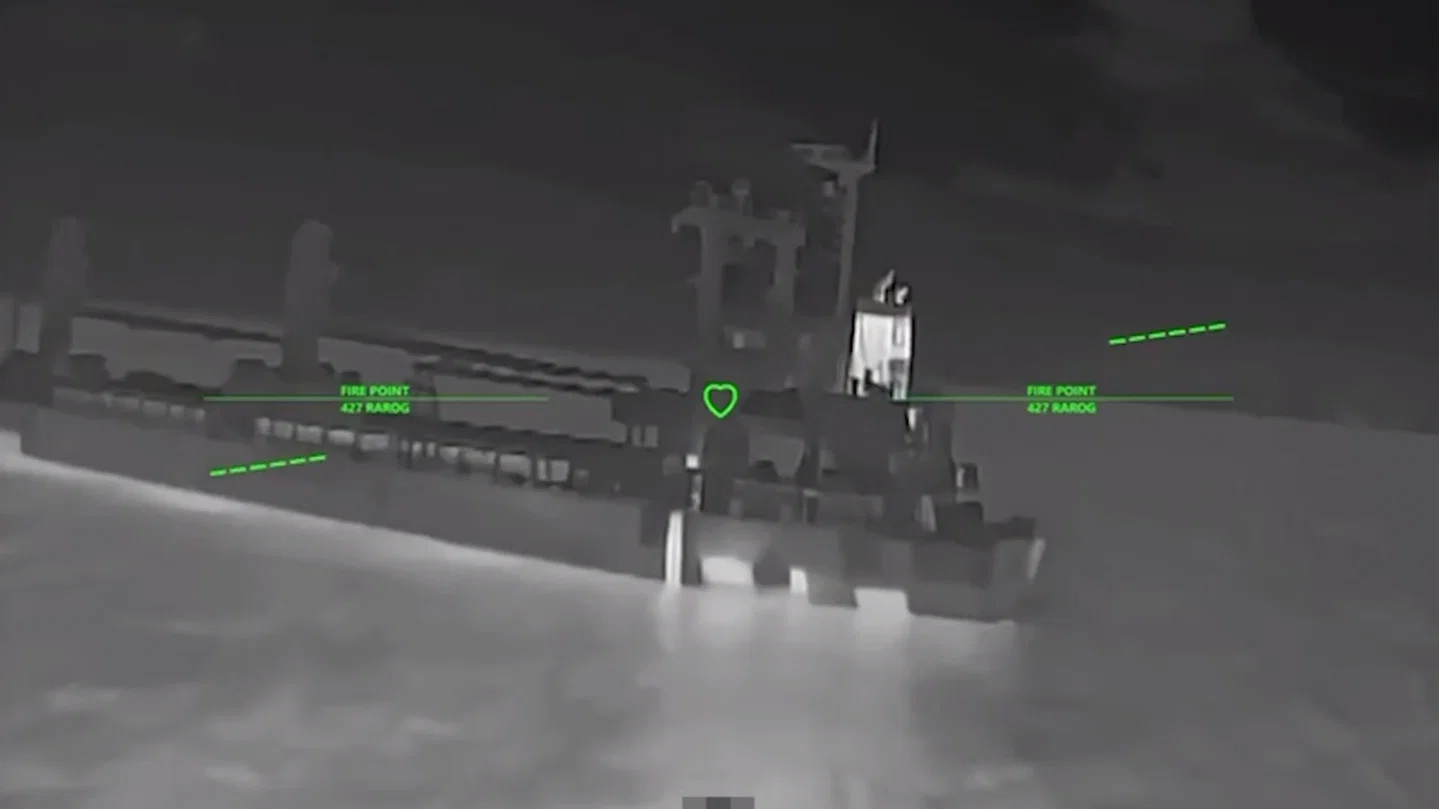
Alongside the land campaign, Ukraine has expanded its attacks into the maritime domain. Lacking a large fleet, it has used uncrewed surface vessels (USVs), missiles, and uncrewed systems to challenge Russian control in the Black Sea, strike vessels, and pose a continuous threat to ports and maritime infrastructure.
Here, the parallel to the American submarine campaign against Japan stands out. The Japanese Empire controlled vast resources, but relied heavily on ships to transport them. American submarines sank more than five million tons of merchant shipping, ultimately crippling Japan's ability to feed its military and industry.
Russia is not Japan. It is a land power with strategic depth, railways, pipelines, and immense energy reserves. Yet the logic is similar: the strike does not have to focus on the resource itself, but on the system that converts it into operational capability.
The second comparison is the Allied air campaign against the German fuel industry. Beginning in 1944, refineries and synthetic fuel plants became prime targets. Germany continued to produce advanced weapon systems, but found it increasingly difficult to operate them due to a lack of fuel.
The major difference is cost. In the past, reaching deep into enemy territory required thousands of bombers, bases, and aircrews. Today, a relatively low-cost drone can strike a multi-billion-dollar strategic facility and force the adversary to invest massive resources in defense.
This is perhaps the most important takeaway from the campaign: the drone is not merely a tactical weapon. It is beginning to fulfill roles once reserved for submarines and bombers—striking deep into the enemy's rear, logistics, and economic systems that sustain a war.
Ukraine will not defeat Russia through strikes on refineries and tankers alone. But history teaches that industrial wars are not won solely on the front lines. They are also decided in factories, ports, and supply chains that allow the front line to exist.
Russia built much of its power on energy. Ukraine is testing whether, in the age of drones, that very power can also become its greatest vulnerability.
Explore stories by subject ↗