
Previous stories.
Explore the archive by subject. Start with a field you follow, then see how it connects to the others.
Maritime Systems
Sea drones, underwater vehicles and the changing character of naval warfare.
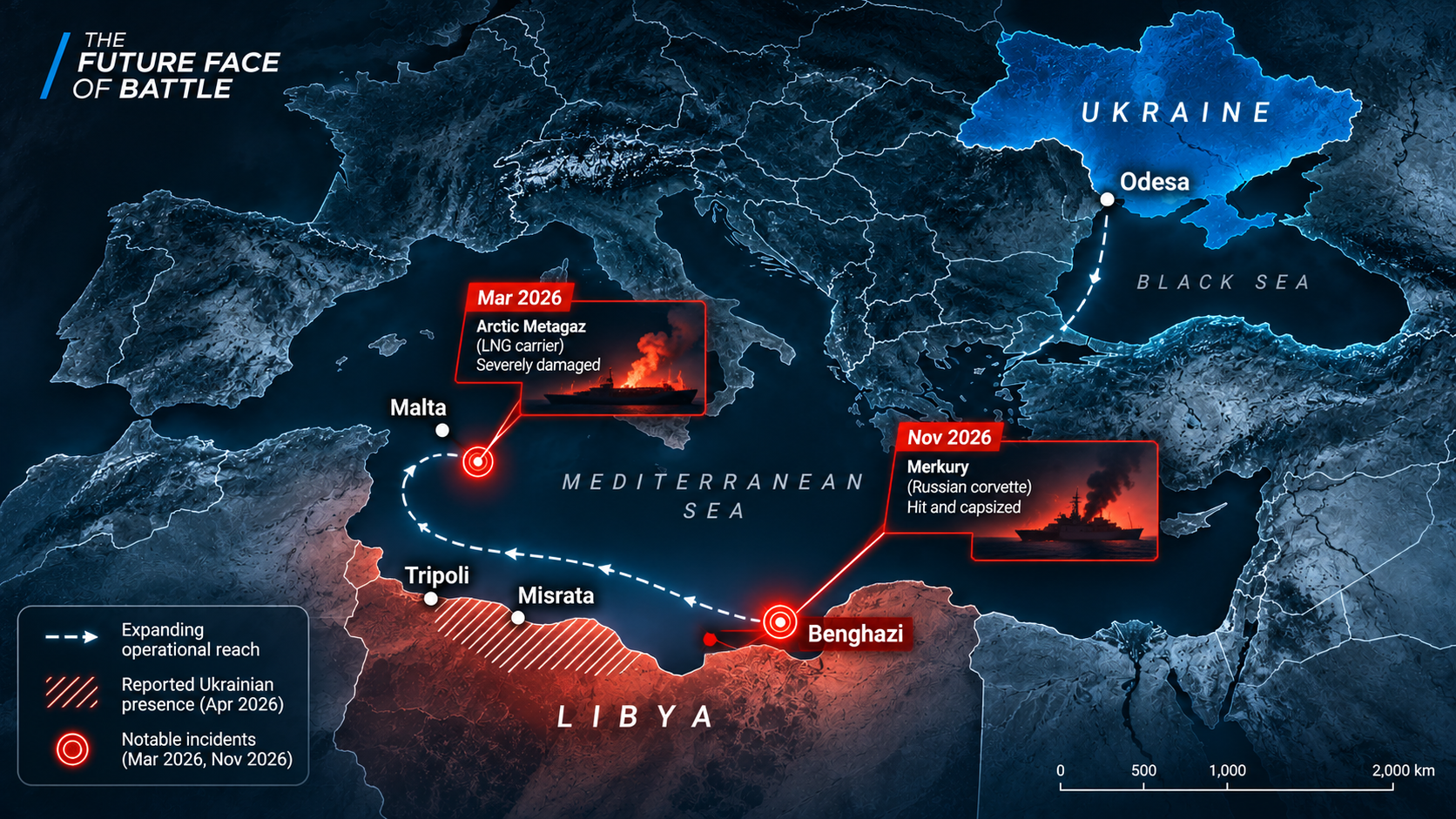
Beyond the Black Sea: Ukraine’s Expanding Maritime Drone Campaign ↗
Suspected Ukrainian sea drone attacks in Libya suggest that unmanned maritime warfare is extending into the Mediterranean, with forward operating locations potentially replacing the need for extreme platform range.
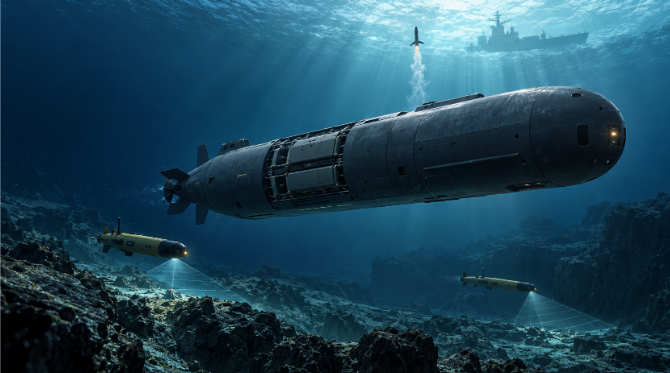
The Silent Fleet: Why Navies Are Moving Underwater Autonomy from Minehunting to Strike ↗
Uncrewed underwater vehicles already map the ocean, collect intelligence and search for mines. Australia’s Ghost Shark points toward the next stage: large, armed and modular robotic submarines able to operate across several domains.
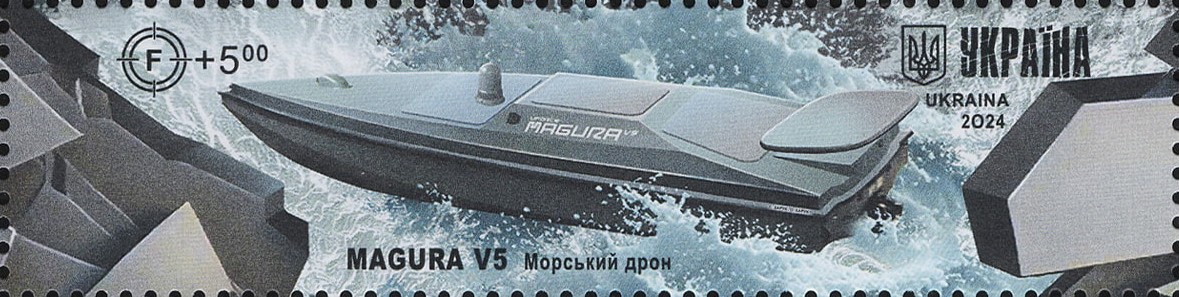
How Ukraine’s USVs Are Changing Naval Warfare ↗
Ukraine’s uncrewed surface vessels have challenged Russia’s larger fleet and helped develop new ways of fighting at sea.
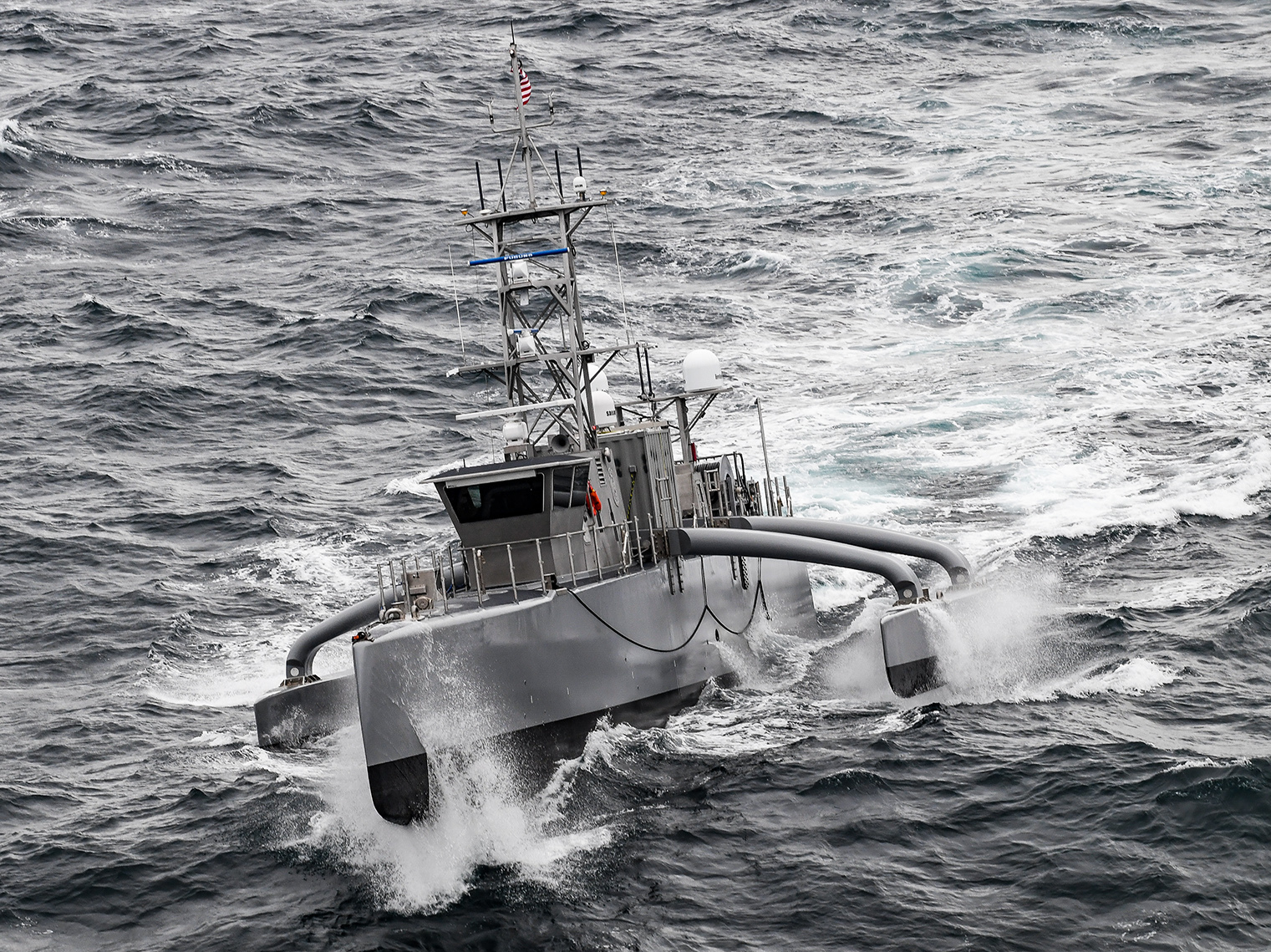
The First Naval Battle Between USVs? Ukrainian Footage Points to a Shift in Warfare at Sea ↗
Ukrainian footage appears to document a USV intercepting another uncrewed vessel in the Black Sea. What does it show—and what remains unconfirmed?
Aerial Drones
Attack drones, interceptors and the systems built to counter them.
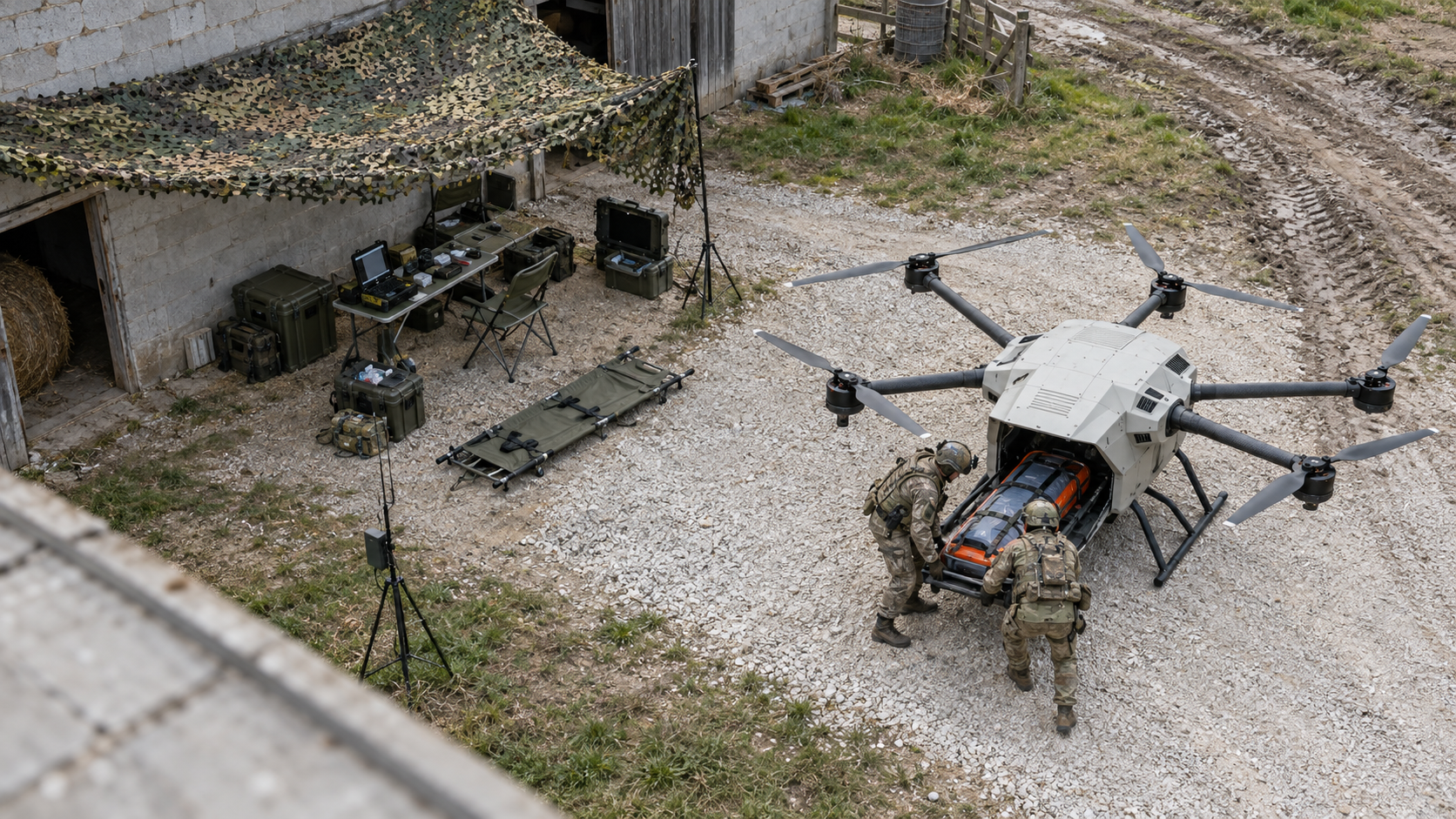
The Drone Designed to Evacuate Wounded Soldiers from the Kill Zone ↗
Ukraine’s StarGate combines heavy lift, redundant communications and limited autonomy for casualty evacuation under jamming and drone attack. Its frontline trial may also test whether the laws of war can protect an unmanned medical aircraft.
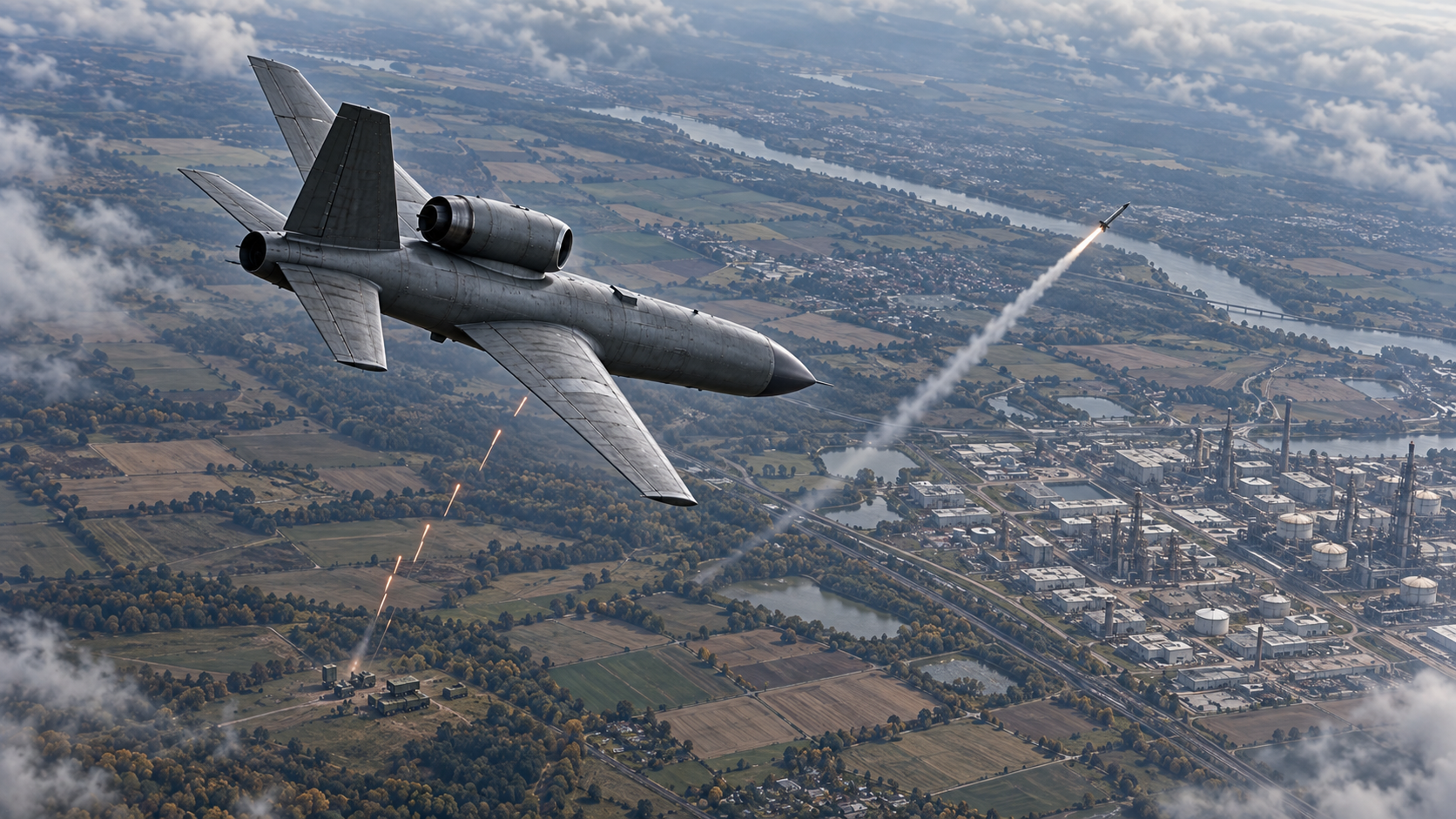
Jet-Powered Drones and the Changing Economics of Air Defence ↗
Russia’s faster attack drones are reviving an old strategic problem: how to defend against fast expendable aircraft without exhausting the weapons and resources needed to keep fighting.
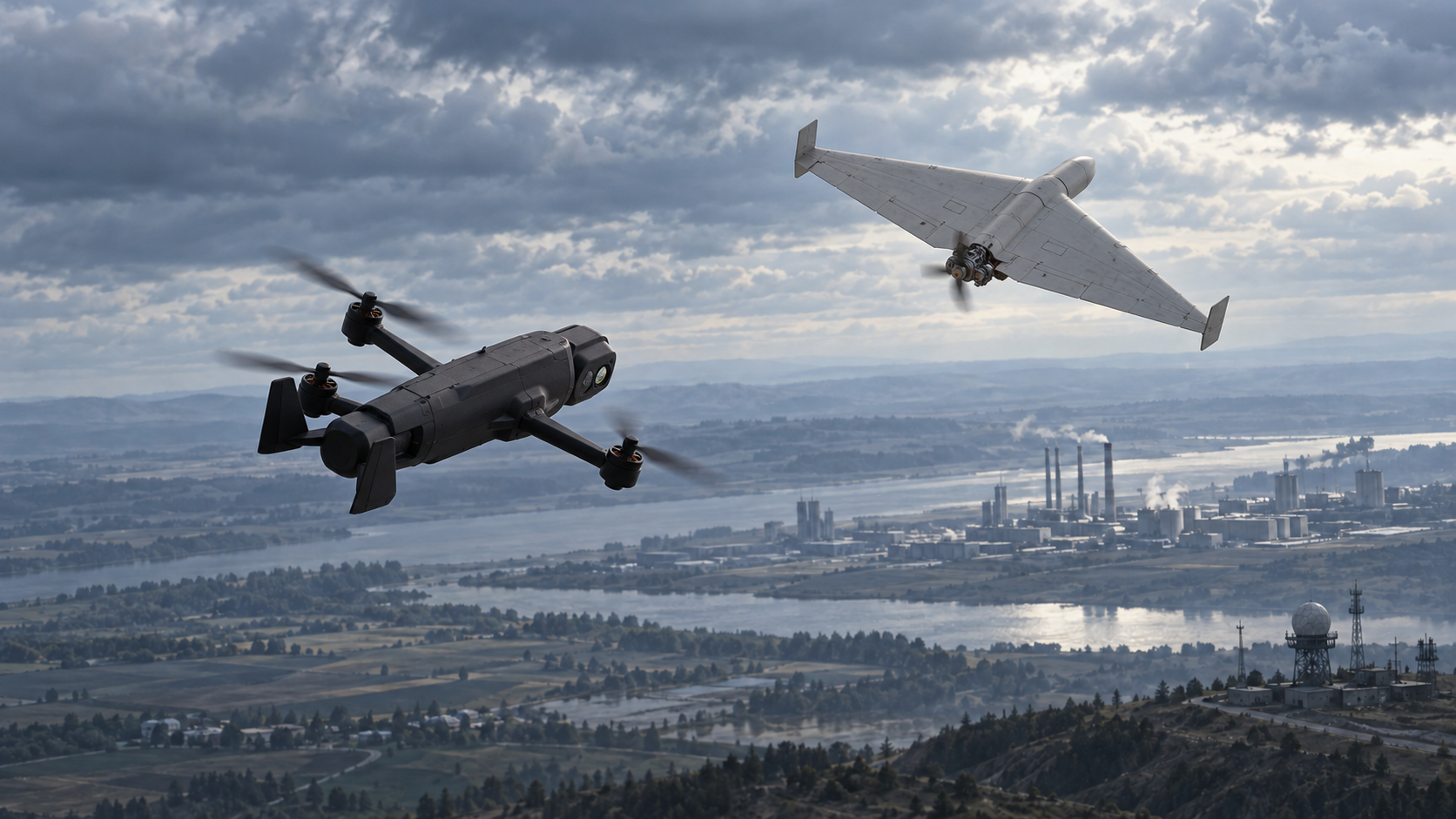
Drone Against Drone: The New Air-Defence Battle ↗
Purpose-built interceptor drones are taking on hostile aircraft in the air. Their promise depends on solving a sequence of problems: identifying the right target, authorising an attack, completing the interception and sustaining the defence.
Ground Robotics
Robots delivering supplies, evacuating casualties and operating on the battlefield.
Ukraine Uses Aerial Drones to Deploy Attack Robots Behind Russian Lines ↗
During Operation Vivaldi, heavy bomber drones carried explosive ground robots more than 10 kilometres behind Russian positions, opening a new approach to delivering unmanned weapons into combat.
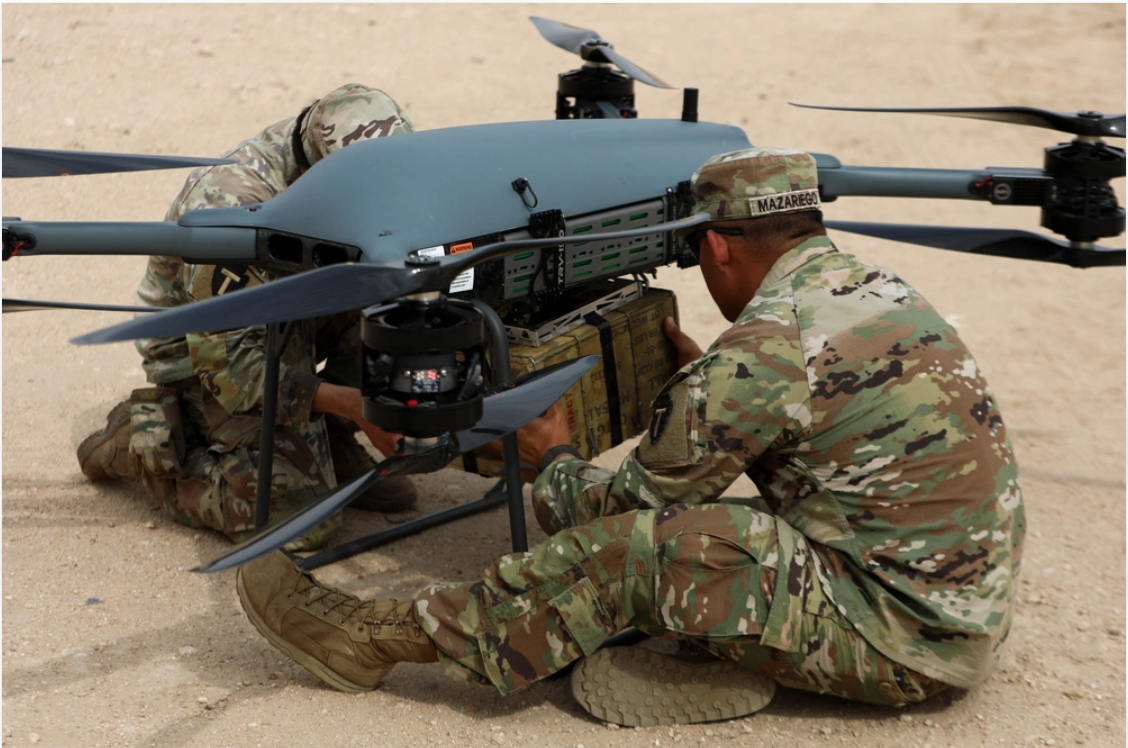
Ukraine’s Supply Robots Are Changing Frontline Logistics ↗
Amphibious ground robots and resupply drones are becoming part of Ukraine’s frontline logistics. Payload, terrain, communications, and reliability determine their value.
AI & Autonomy
How machines interpret information, coordinate and act with less human supervision.
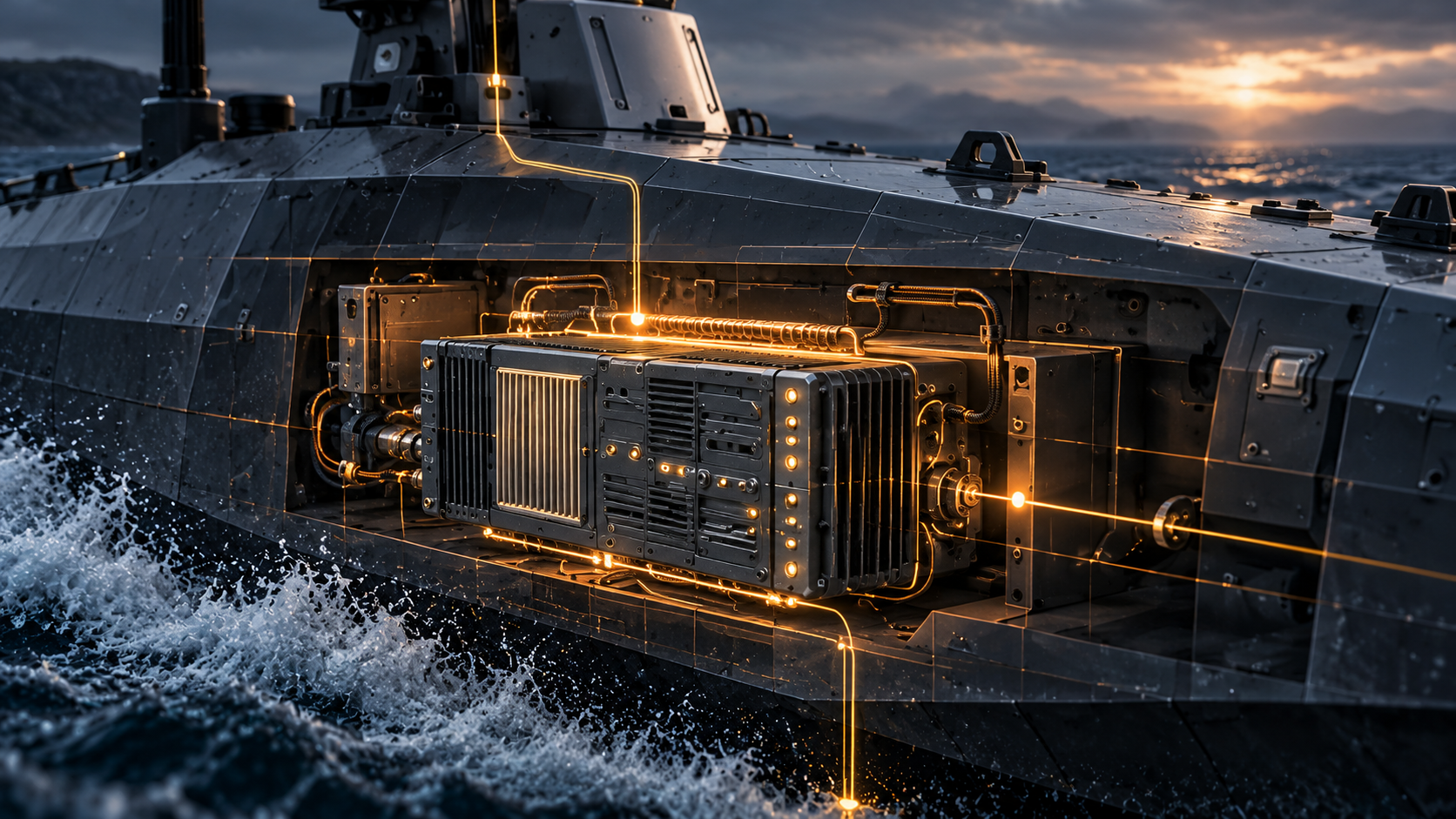
Onboard AI: How Unmanned Vessels Are Gaining Greater Independence ↗
Processing sensor data aboard the vessel can reduce dependence on communications and human supervision. The next challenge is deciding how much authority should follow that capability.
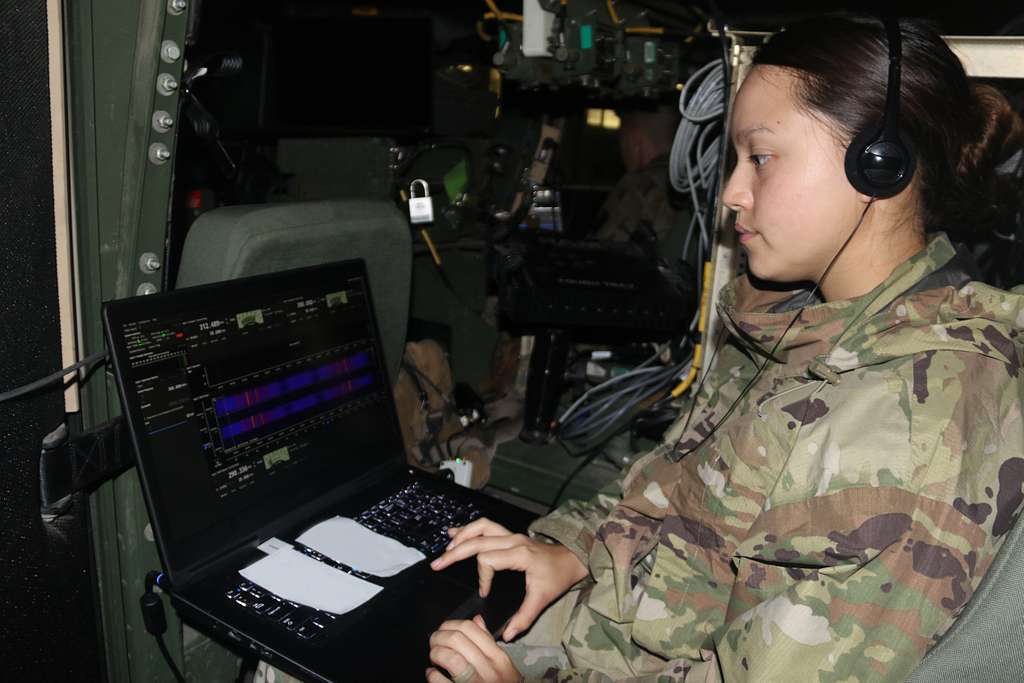
The Problem Begins Before AI Chooses the Target ↗
How decision-support systems and intelligence analysis can lead to flawed strategic decisions before an attack even begins
UK opens Ukraine’s battlefield AI data to drone-swarm developers ↗
A new competition gives British companies access to Ukraine’s combat data to develop coordinated uncrewed systems. The test is whether that experience can produce reliable, controllable capabilities.
Communications & Cyber
The networks, control systems and software that connect and protect unmanned forces.
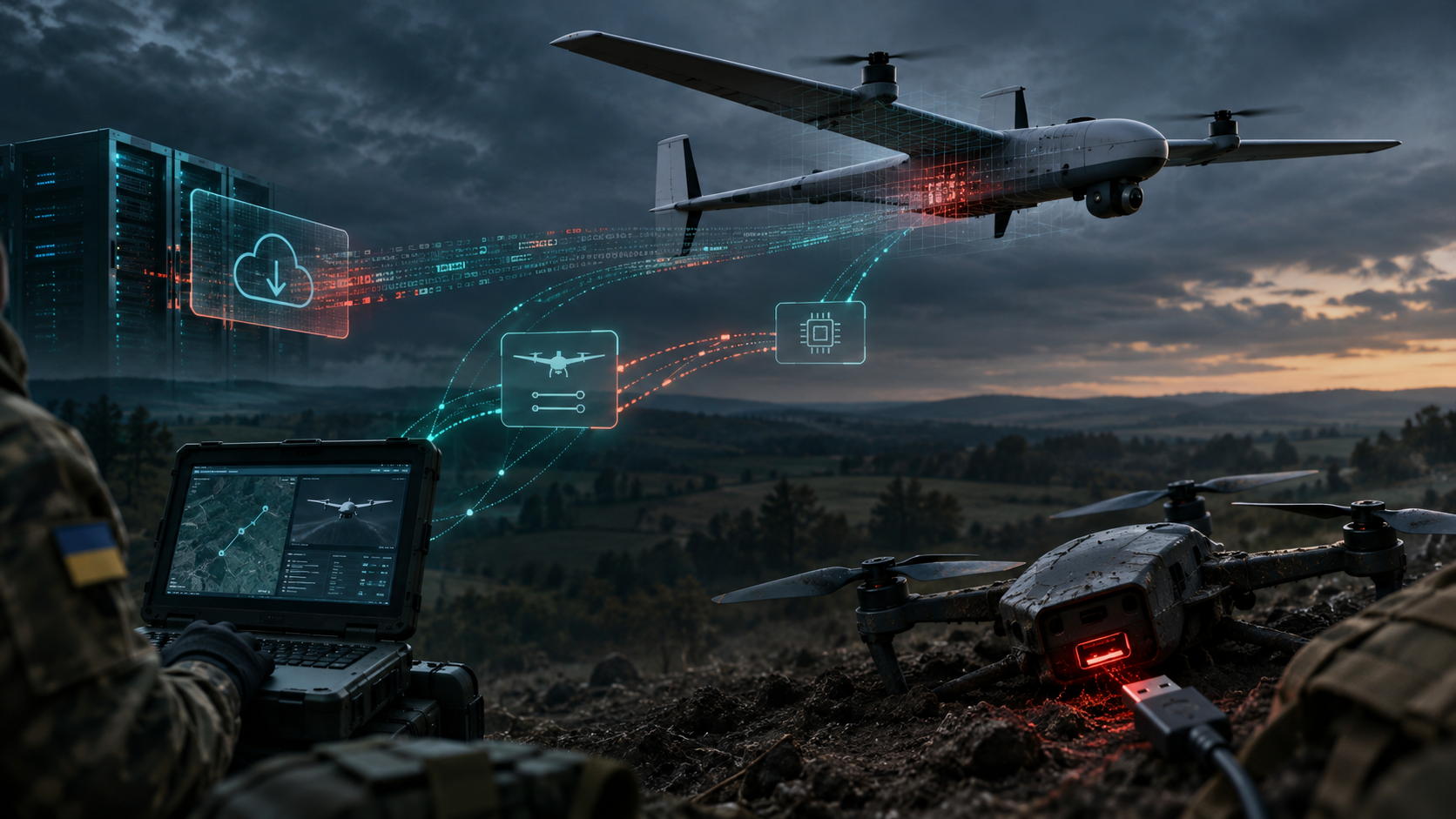
WHEN THE DRONE BECOMES A CYBER WEAPON: THE DIGITAL FRONT OF UNMANNED WARFARE ↗
A cyberattack on Germany's Quantum Systems, reports of malware-laden Ukrainian drones, and attacks on drone technology suppliers show how software security has become inseparable from operational readiness.

When the Cell Tower Becomes Radar: The 5G Race Against Drones ↗
Mobile networks were built to carry calls, video and data. NATO, China and telecom companies are now trying to turn the same infrastructure into a wide-area sensing layer capable of detecting and tracking drones, even when the aircraft is not connected to the network and emits no identifying signal.
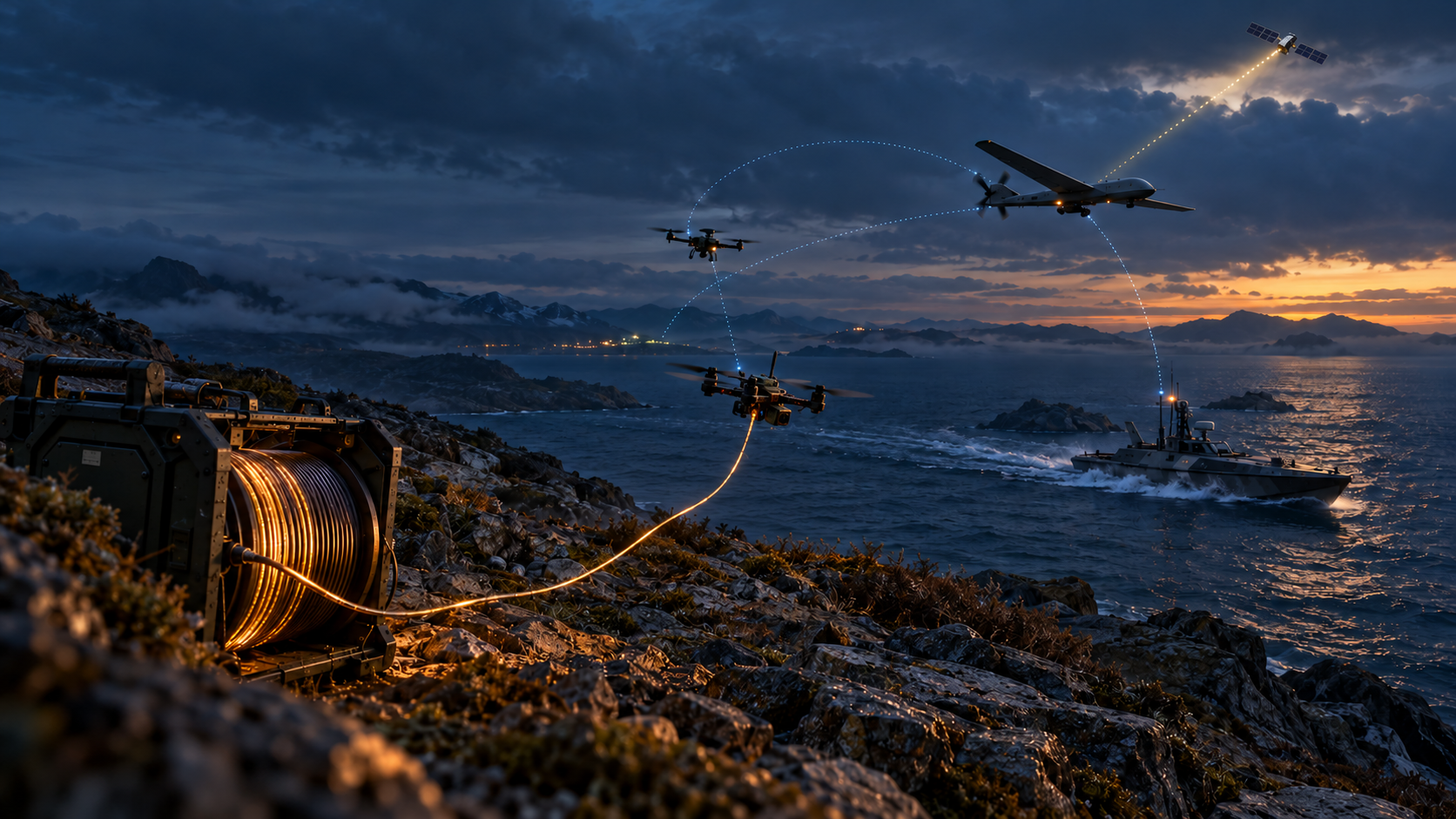
Wire, Radio and Satellite: The Nervous System of Unmanned Warfare ↗
The performance of an unmanned system is determined not only by its airframe, sensors or payload, but by the communications architecture that connects it to operators, other machines and the wider command network.
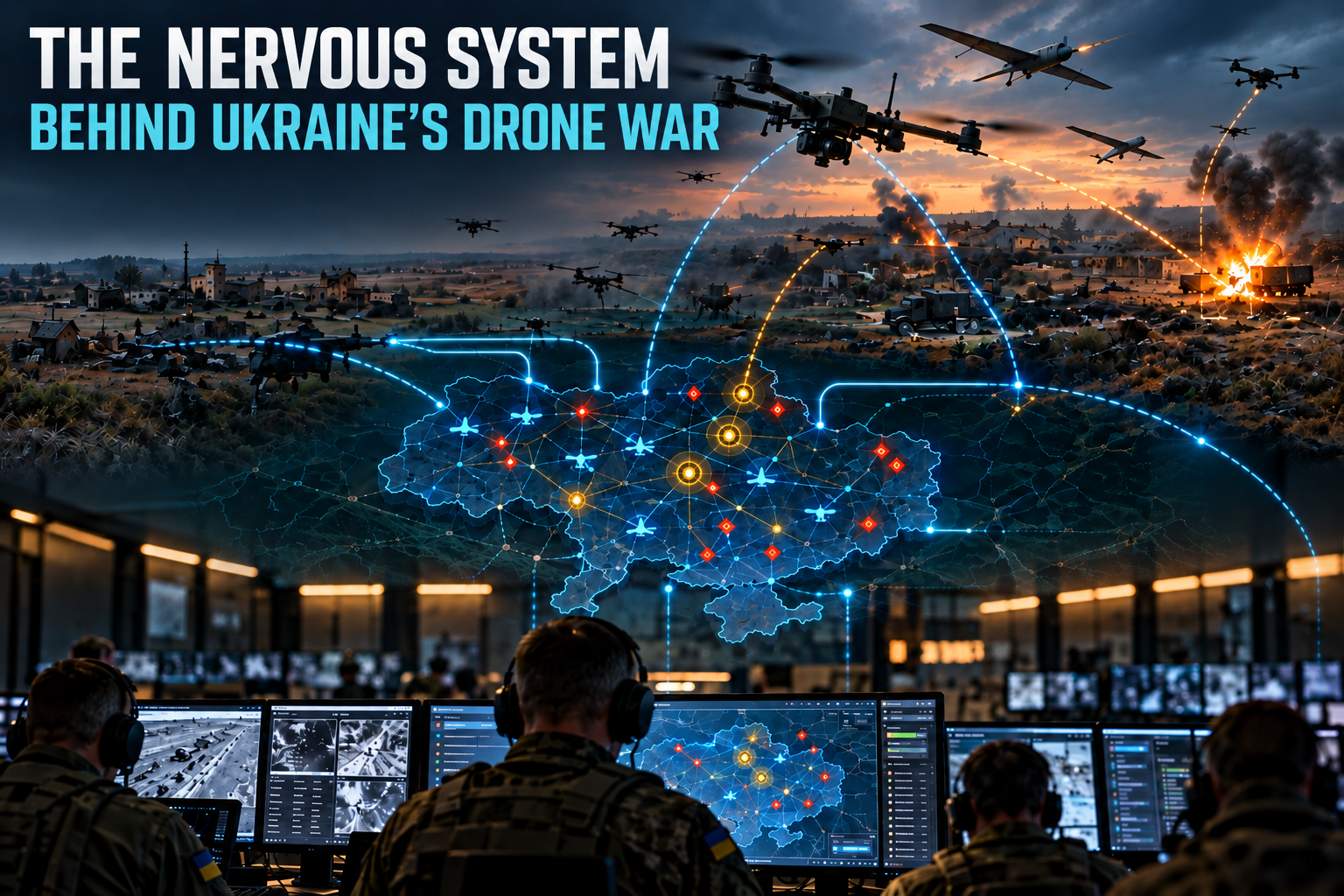
The Nervous System Behind Ukraine’s Drone War ↗
How Ukraine is building a distributed command-and-control architecture that connects thousands of drones, battlefield intelligence, artificial intelligence, and military decision-making.
Doctrine & Strategy
How new capabilities change military organizations, operations and the experience of war.
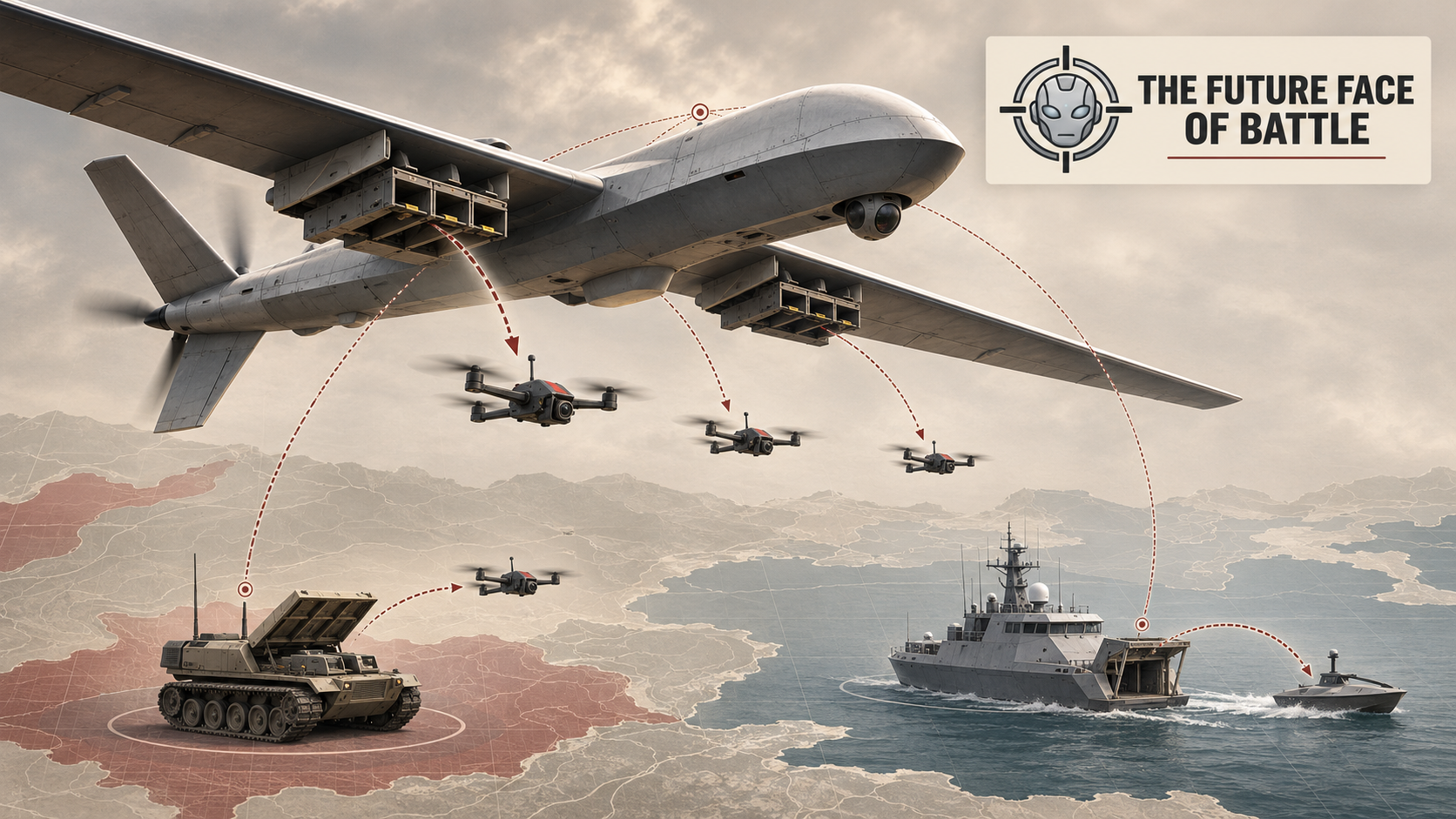
Drone Motherships Are Moving from Concept to the Battlefield ↗
From the Bayraktar TB2 to ground robots and minehunting ships, larger platforms are transporting, launching and supporting smaller unmanned systems. The concept could extend their range, protect operators and deliver mass at the point where it is needed.
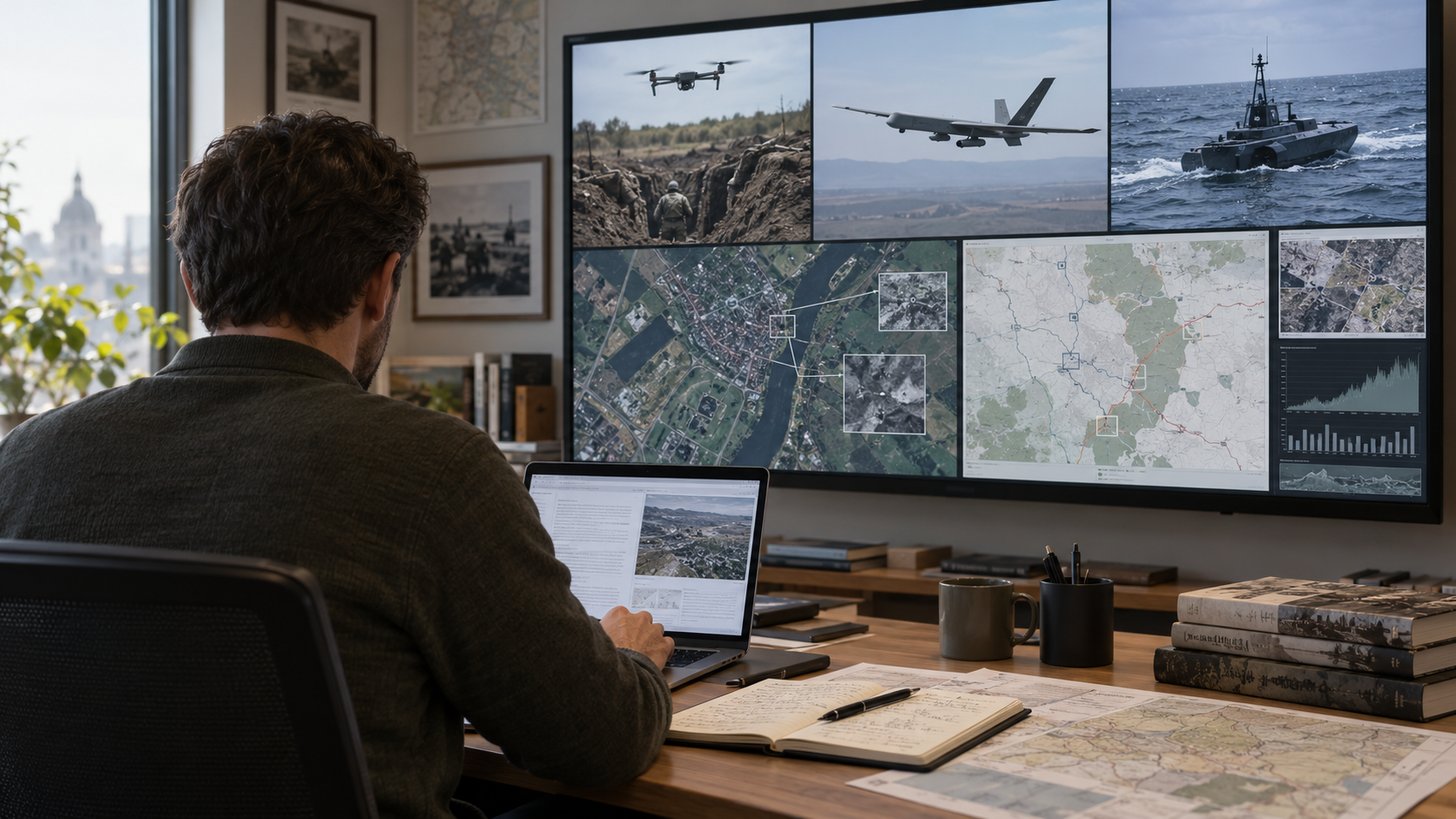
Why I Started The Future Face of Battle? ↗
Why launch The Future Face of Battle now? Drawing on his experience as a naval officer, work with the defense industry, and lifelong interest in military history, Yotam Gutman explains why today’s rapid technological transformation demands real-time analysis, and how he uses AI to support, but never replace, human judgment.
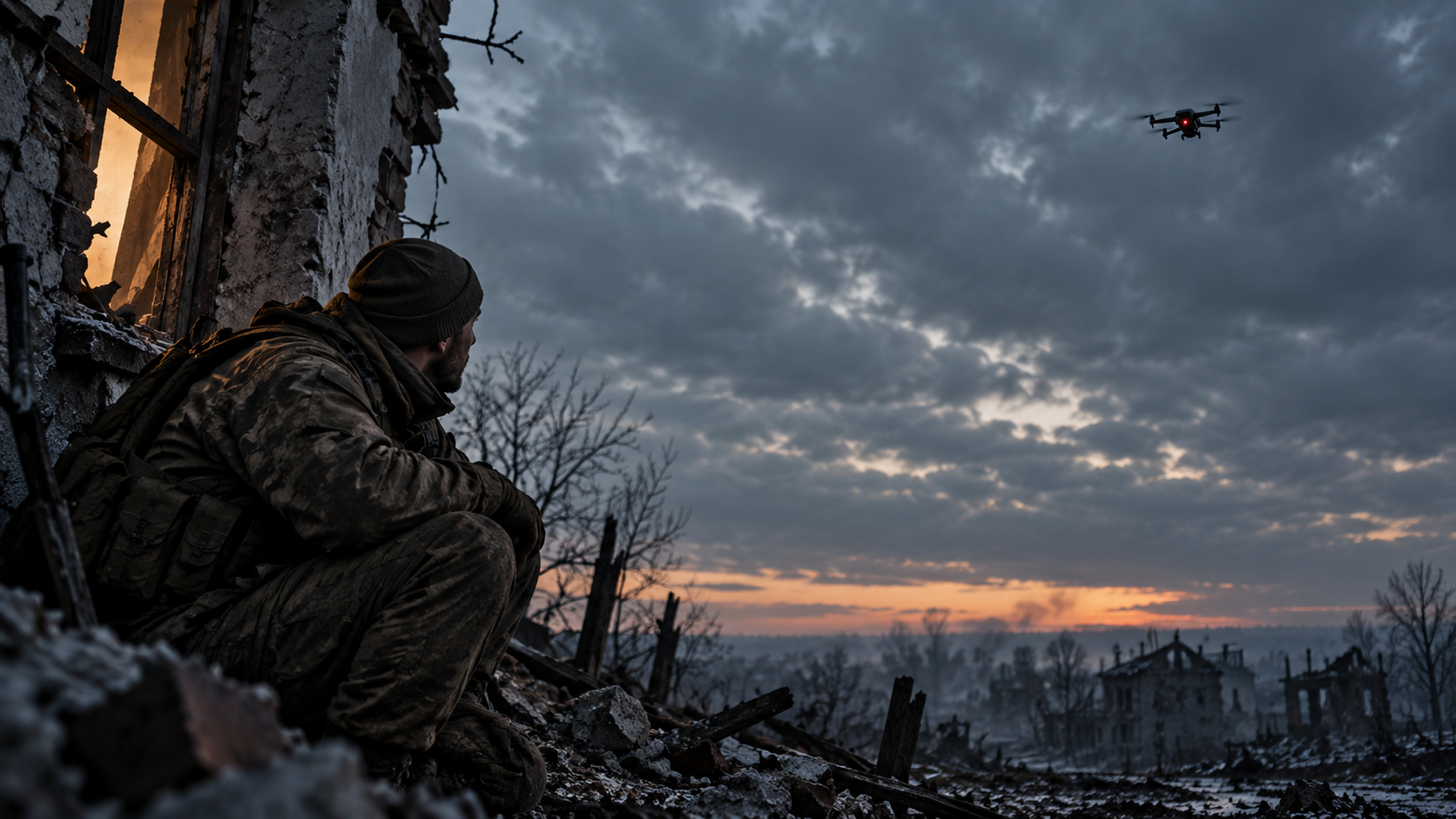
The Sound Above: How Drone Warfare Is Changing the Psychology of the Front ↗
Drone warfare creates a persistent psychological threat for soldiers and civilians: constant surveillance, sudden attacks and the uncertainty of when a drone might strike can fuel hypervigilance, panic and trauma. Ukrainian clinicians call some of these reactions “drone phobia,” though it is not a formal diagnosis. Research in Ukraine has also linked higher drone-attack intensity with more parents screening positive for PTSD symptoms.
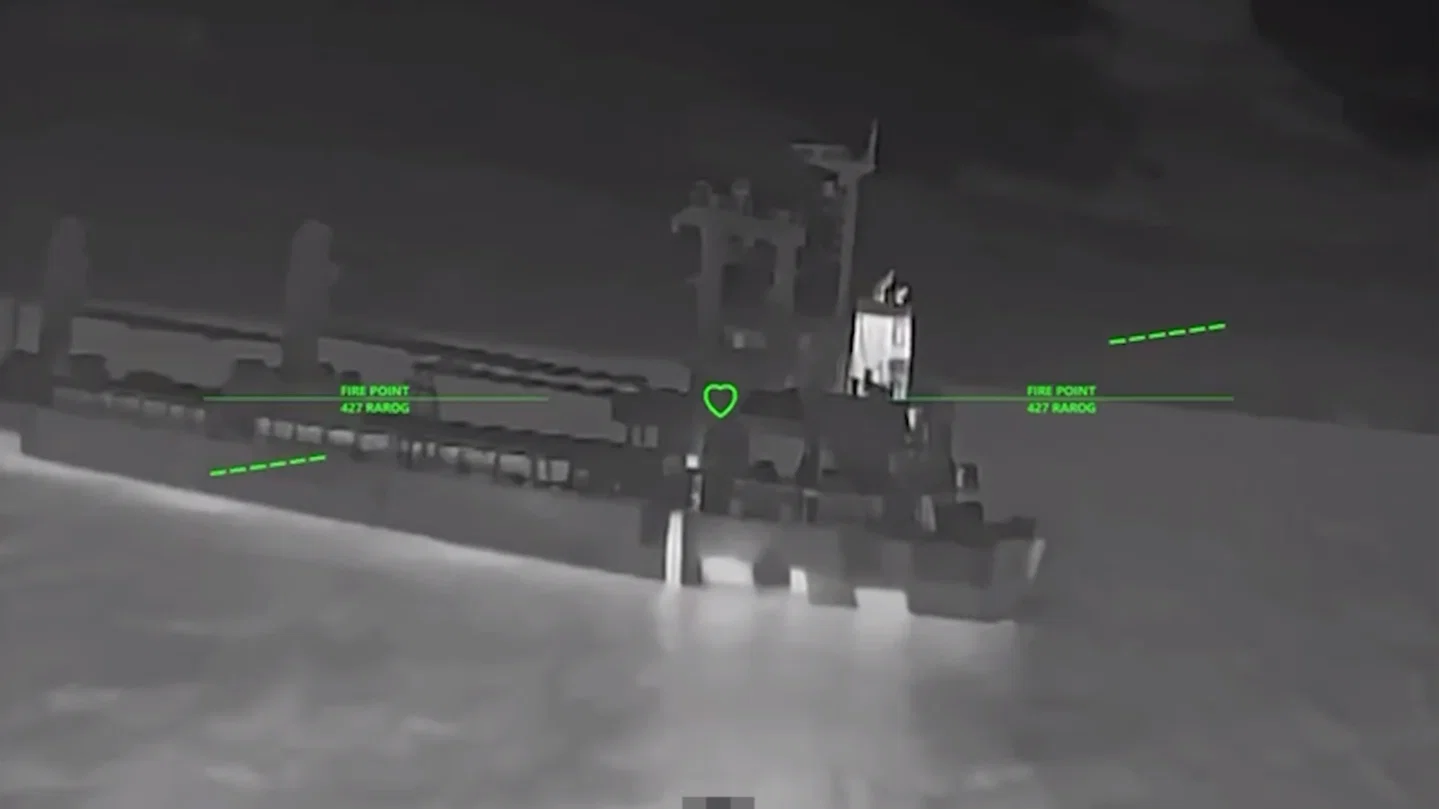
Are Drones the Submarines and Strategic Bombers of the 21st Century? ↗
Ukraine’s long-range drone campaign revisits an older strategy: targeting the energy, logistics, and industry that sustain an adversary’s war effort.
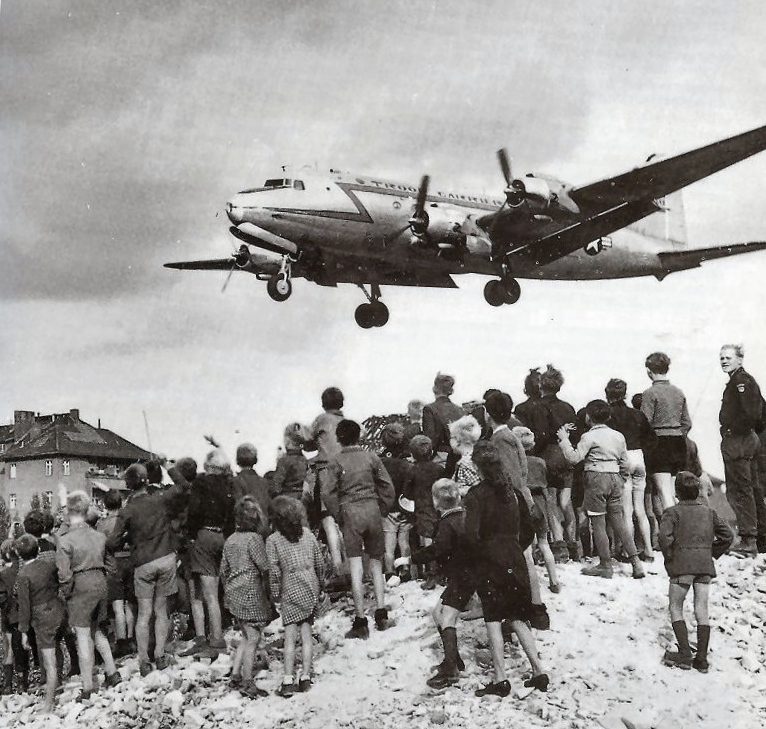
From Berlin to Oleshky: Supplying a Town Cut Off by War ↗
Drone deliveries to occupied Oleshky revisit an enduring challenge of air supply: getting enough aid to the right people, consistently.
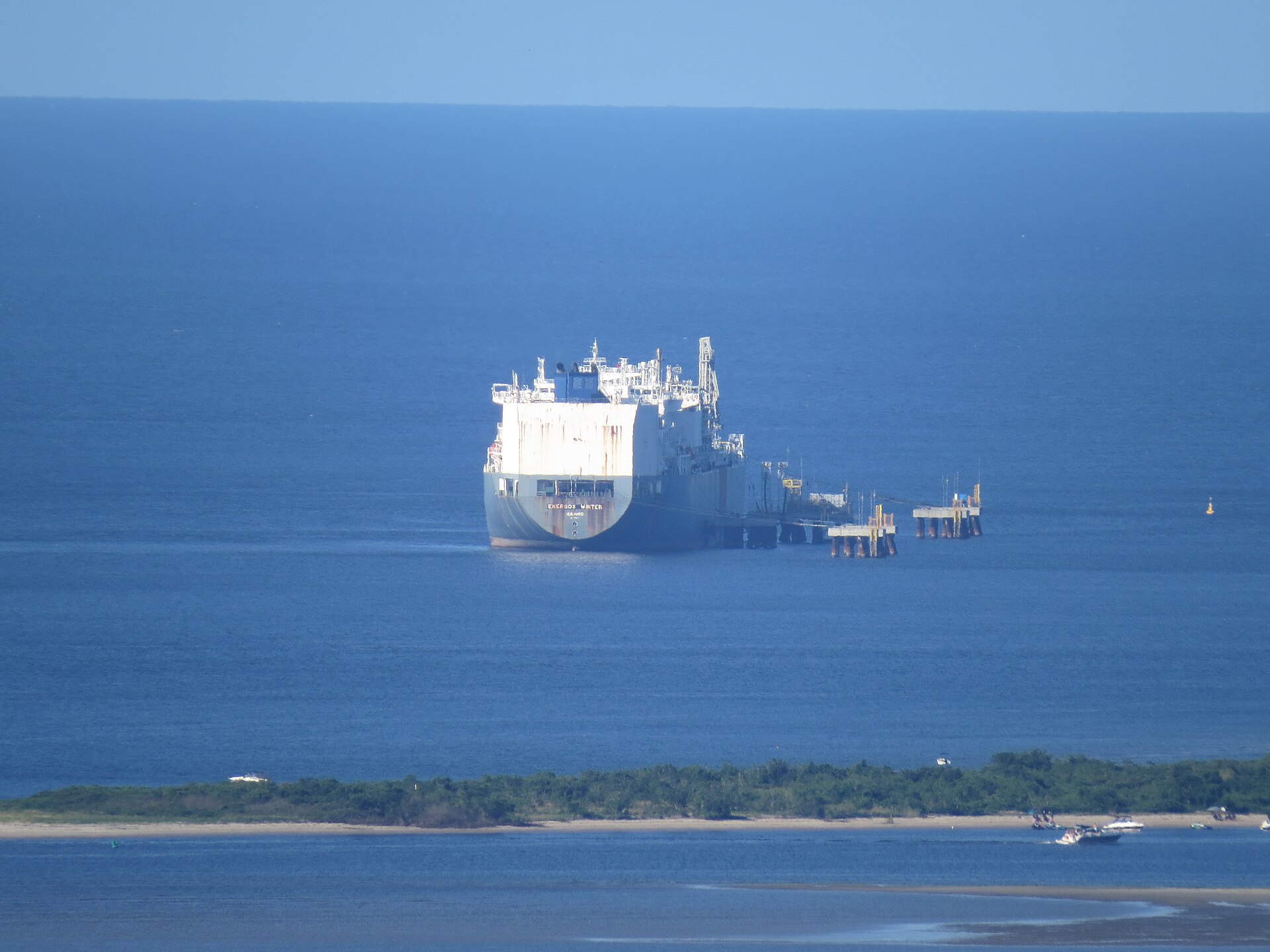
The Damietta Attack: A New Front in the Battle Over Energy ↗
The growing use of drones against strategic infrastructure is changing the regional and global balance of power